The Pros and Cons of Audiobooks
Discovering a balance between listening to and reading books can help you find more time to do what you love while still being busy and productive. Audiobooks have the potential to open the door to more reading.
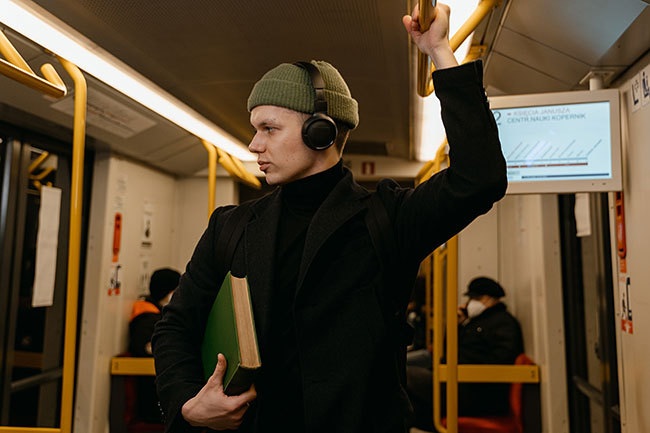
Discovering a balance between listening to and reading books can help you find more time to do what you love while still being busy and productive. Audiobooks have the potential to open the door to more reading.
What does it take to get a book published? The person who ends up dealing with all the loose bits and bops is the Publisher’s Assistant, also known as the Operations Manager—my role.
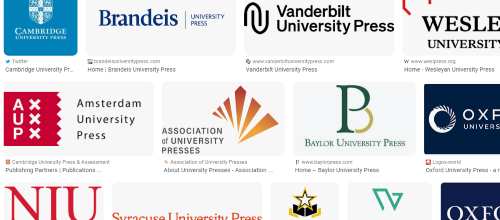
A university press is, generally speaking, a publishing company that is housed inside an academic institution. In contrast to the “Big Five” multinational corporations in publishing, university presses are nonprofit and mission centered, although not always small.

With our most recent audiobook title Faultland by Suzy Vitelllo, Oolies are now in charge of the entire production process. This is an exciting opportunity for students to get hands-on experience with a vital part of the audiobook production process. Although it may sound daunting, editing audio is an incredibly satisfying process and a marketable skill that students can add to their growing repertoire of qualifications.
One of the most carefully considered decisions in the early stages of the publishing process is how to classify and categorize a book. These decisions are often the cornerstone of how a book finds its way home to readers who will most appreciate it. It’s a delicate balance between enticing readers to pick up just the book they’ve been waiting for, and gently signaling what readerships might not enjoy the book so that readers don’t end up feeling tricked into purchasing something that isn’t what they wanted.

Sometimes a book moves through its journey from acquisition to publication quicker than the average two-year timeline, and in the case of our Multnomah County Library Writers Project titles, like the forthcoming The Blue Line Letters, we are on an expedited one-year publication cycle. As the book’s project manager, I’ll take you through what I have been working on with the project team in the first several months of its publication process and give you a glimpse into what comes next.

Nothing beats holding a paper- or hardback book in your hand, but when it comes to e-books there are so many pros and cons. Is the e-reader experience worth the cost or does a tablet with the free Kindle app do the job just as well?
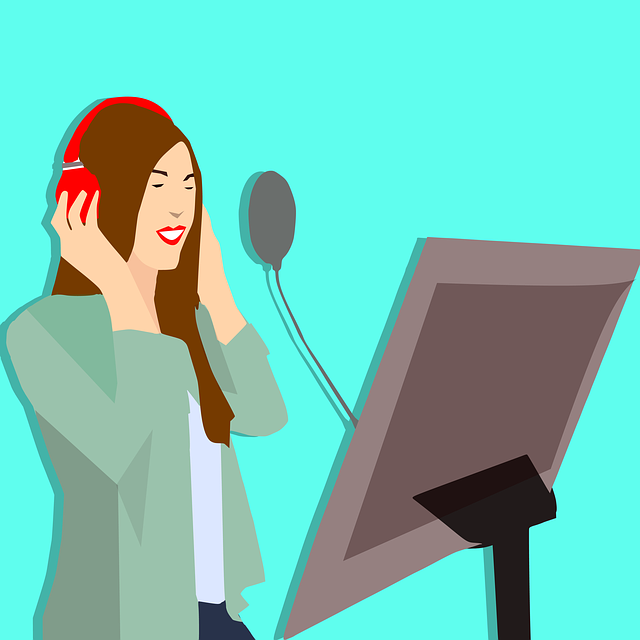
With the increasing availability of Artificial Intelligence (AI), companies are now selling AI-created products such as images, database searching tools, chat bots, and even AI-narrated audiobooks. AI models are created by first designing an algorithm, and then feeding the algorithm content that trains it to then create similar content. Companies have been able to create AI models that are considered “synthetic voices” by contributing voice data to the model. The AI model then replicates human voice in reaction to text prompts. This is the manner in which AI-narrated audiobooks may be produced in minutes!
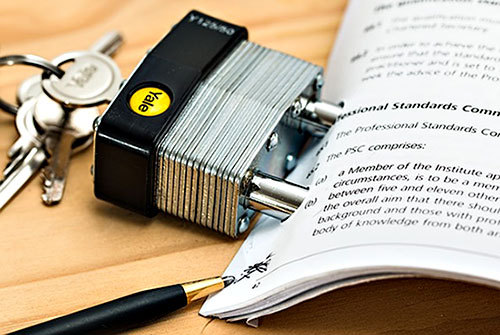
The acceptability clause allows publishers to determine whether a submitted manuscript is acceptable. For authors who don’t have any legal knowledge or literary agent to help them negotiate the contract, they are often left to do their own research or accept what’s offered to them. This leaves the author with very little power over the development of their work, resulting in a generally unfavorable opinion of the clause.

When I started managing the rights department at Ooligan Press about a year ago, I took on one of our first major projects: acquiring the rights to nine different French science fiction short stories for an anthology. It was an ambitious enterprise, but the previous managers did all of the legwork for setting it up. They found a French professor at our university who already had the idea for the anthology and agreed to translate (with the help of a few others); all that was left to do was find the owners of the rights to each story and acquire them for the anthology.