Why Would You Want To Work For Someone Else’s Publishing Company?
With the added appeal of making your own schedule and essentially managing your own business, why wouldn’t you want to be your own boss?
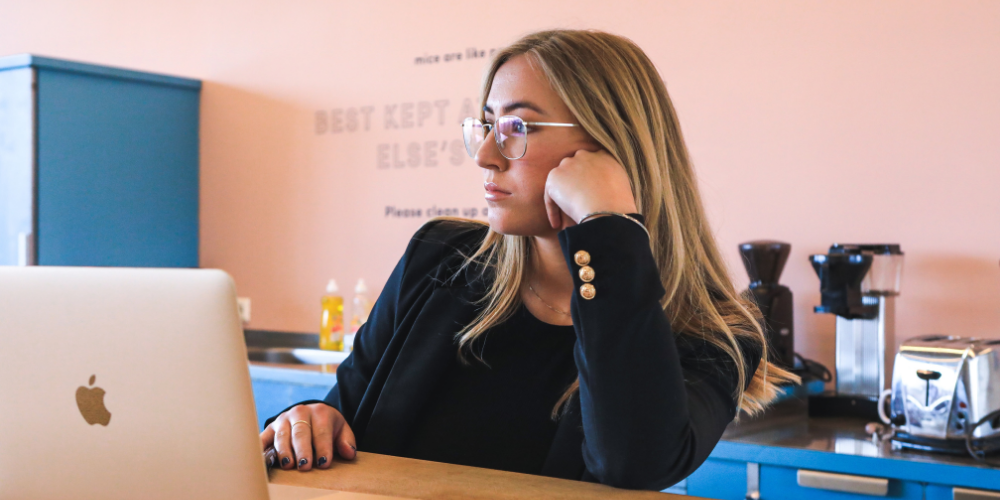
With the added appeal of making your own schedule and essentially managing your own business, why wouldn’t you want to be your own boss?
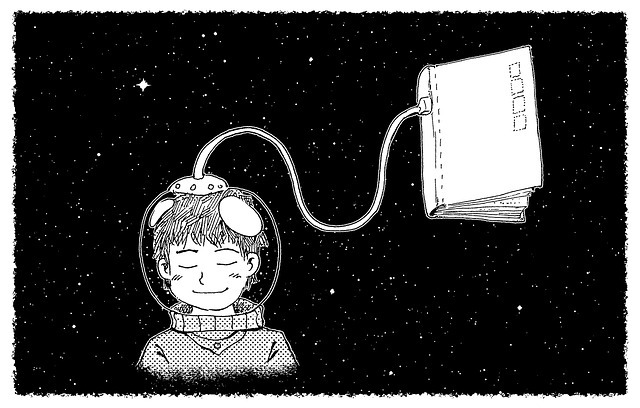
Since the Big Five have the most publishing power, the best way to investigate the popular fiction they make is to dive into their genre fiction-focused imprints.
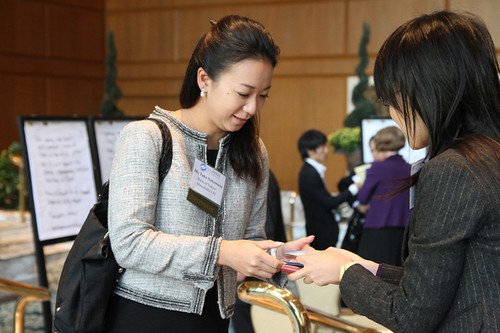
International book fairs are some of the largest industry events in the world, which means they’re excellent opportunities to branch into new markets or sell your publisher’s rights. They’re also excellent opportunities to get hopelessly lost, confused, and overwhelmed by the sheer volume of people and amount there is to do. If you want to make the plane ticket and entrance fee worth your while, it’s important to prepare before you land.
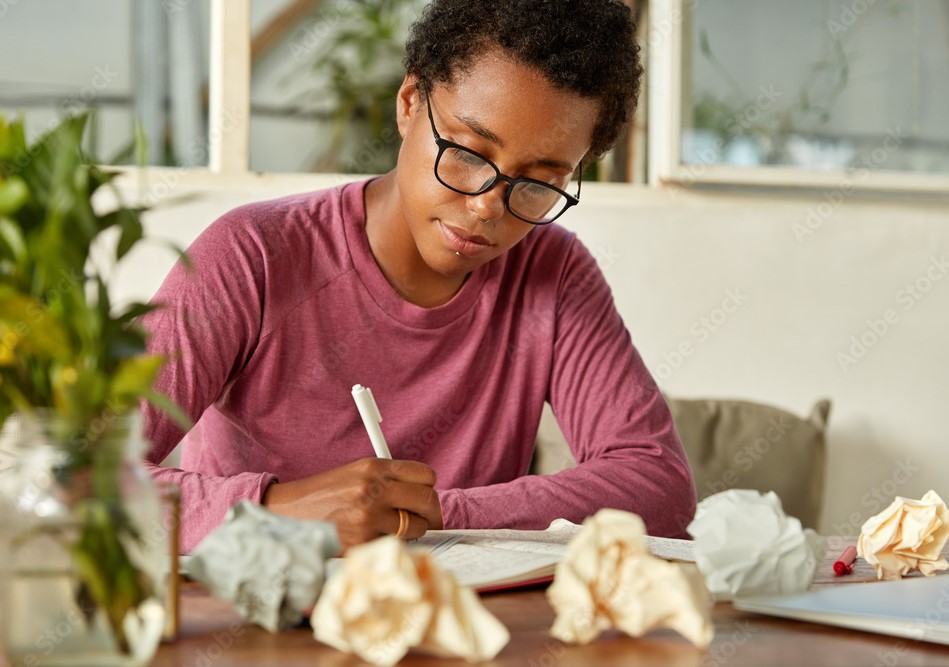
Agents and editors are still linchpins of the publishing process, and a book coach doesn’t replace either role. But since it’s harder than ever to get to the top of submission piles, a book coach might be the right professional to help some authors get from page one to published.
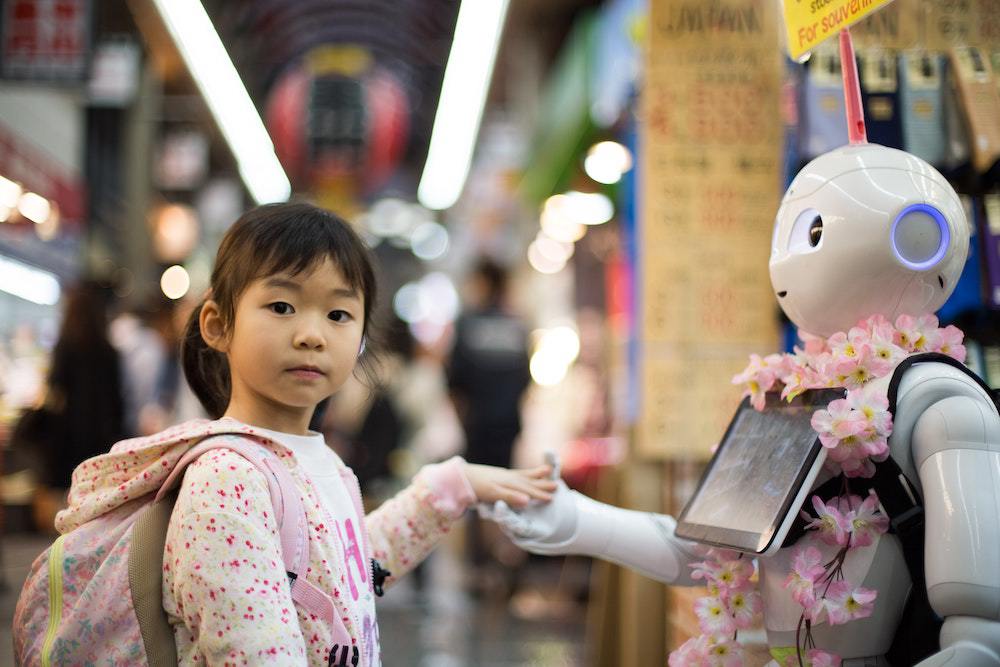
There is a deep commitment to equity in most of the publishing world, but just over the horizon is a whole new set of partners creeping into our industry.

This is an important and growing part of the US population that also reflects in the current literature. That’s why here we present you with some emerging and established Latinx authors that you should keep an eye out for.

The uptick in the number of horror publications directed at children offers a new way of exploring the genre and relating it to the real world, a tactic that could help developing minds understand the world around them.

Smaller publishers provide authors and publishing professionals with spaces in which they can truly believe in their message and the people they work with, which may be the future of book buying.
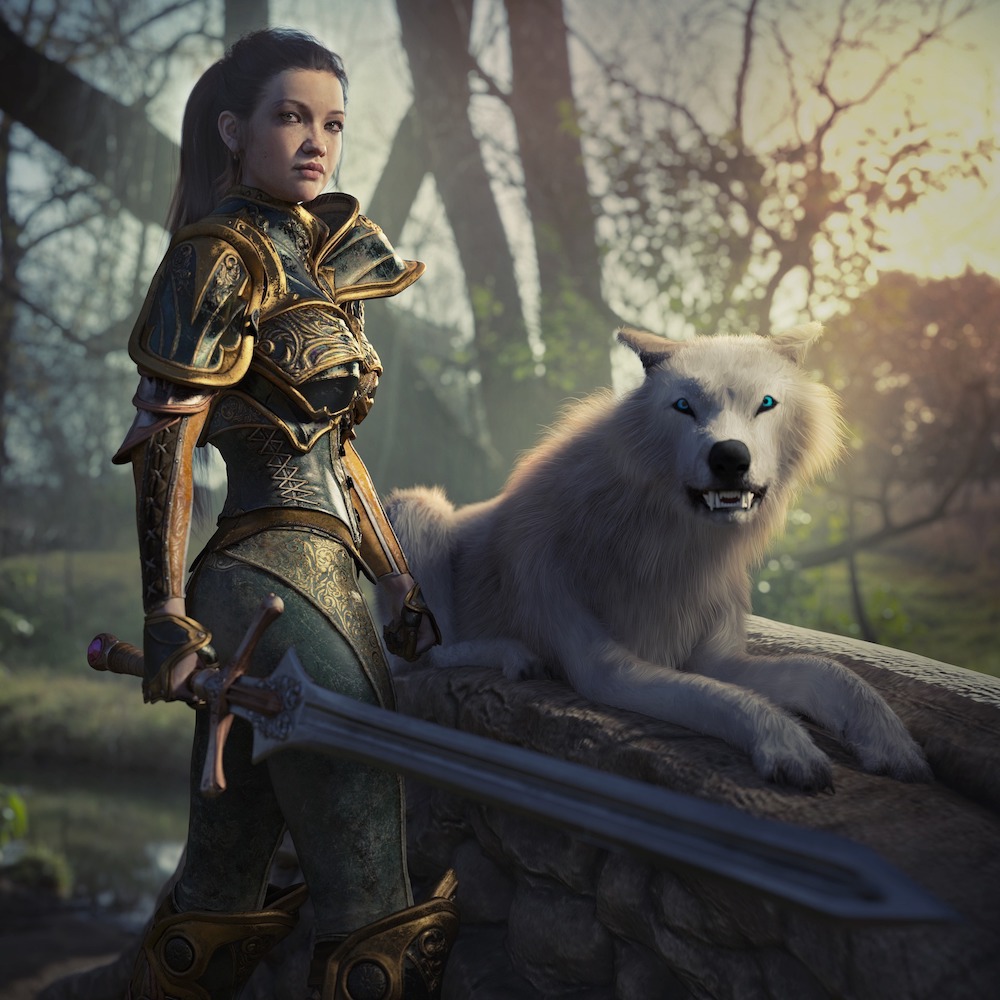
At first read, the strong female character comes off as, well, strong. She is fierce, she (usually) defies the rules set by the world’s society, she isn’t afraid to do what she has to, etc., but here’s the catch: she is written without feminine-identifying characteristics and rejects femininity.

Inclusivity has become a prominent value to us, but in between all of this, the disability community has yet to be given the same attention. Where are the dedicated spaces for disabled authors? Where is the push for accessibility? Why aren’t there more intersectional characters that include a disability/disabilities?