FROM KNOWLEDGE TO POWER: Spring Update
The aim for our social media promotion is to convey the book’s positive message towards advocacy, while also highlighting national environmental dates to create climate change awareness.

The aim for our social media promotion is to convey the book’s positive message towards advocacy, while also highlighting national environmental dates to create climate change awareness.

What happens after a book is written, edited, and designed? No, not marketing—that’s earlier. Find out what comes next and how that can impact the growth of an indie publisher.

When a copyeditor is entranced in correcting inconsistencies, they can get trapped in suggesting rewrites and spending too much time leaving comments on plot, which is the job of a developmental editor. Sometimes a developmental editor can be so distracted by the grammatical errors that they end up scanning the whole manuscript before proceeding to plot hole corrections.

Over a decade ago, readers, authors, and publishers alike started to recognize a widening gap between the young adult and adult fiction genres. While the young adult genre tends to encompass stories targeted toward readers ages twelve to eighteen, adult fiction almost always features thirty-year-olds and older. This left out an entire market of twenty-somethings who wanted their stories told as well. Hence, in 2009, St. Martin’s Press coined the term “new adult” to describe this subgenre of fiction that bridged the gap between YA and adult.

All right, you’ve got a book being released soon. Congratulations! Now you’re onto the ever-daunting marketing phase where you have to plan the book launch, create social media hype, and develop the terrifying metadata. Having trouble thinking of those keywords? This can help!

This is a call to action for publishers, editors, and writers alike to think boldly and critically when engaging with social justice movements, specifically, the Black Lives Matter movement.

Diversity in publishing has been widely discussed in recent years due to a lack of diversity among publishing professionals as well as among the stories being published. This problem has been the subject of various panels for a number of years, and the question of whether diversity is simply “trendy” has been raised in the publishing industry just as it has elsewhere. But two organizations are working to make sure that the push for diverse books is not just a trend, and so far they’ve been successful.
We’re often faced with the following questions: How do I get it all done? How do I make myself write? In that vein, I’ve compiled a few tips for creating or maintaining productive routines to better face the trials of working in publishing.

A quiet evolution has been occurring in the world of book publishing during this last decade. A hybrid species is emerging—one that has taken until just last year to jump the Atlantic and become available to American literary consumers. There may not seem to be much room to improve upon our current forms of bookish technology, as the basic formats are pretty simple: hardcover, paperback, ebook. But even if you are firmly in either the print or electronic camp, you may be pleasantly surprised by a type of happy medium that is ideally giving readers the best of both worlds.
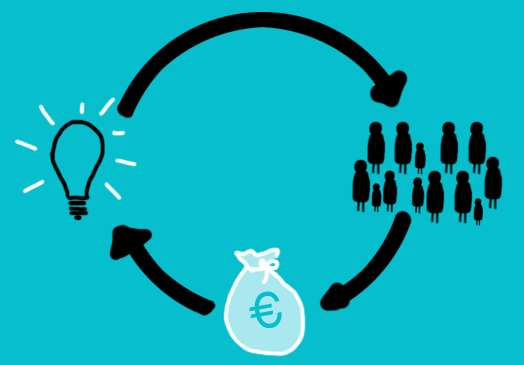
Crowdfunding poses an interesting dynamic. Instead of letting the traditional gatekeepers of large publishing houses decide what gets published, why not let the people decide what they want to read? As crowdfunding gains more traction in publishing, it makes way for more creativity, diversity, and risk-taking in the books we publish.