
To this day, the discussion around the lack of diversity in the writing world has primarily been about the lack of diversity among published authors. And it’s completely understandable as to why that is—in 2023, roughly 75 percent of published authors in America were White. Black authors represented almost 6 percent, Asian authors at 5 percent, and Latino and Hispanic authors at around 7.6 percent. Although it’s an improvement from 2010, where over 80 percent of published authors were White, it still doesn’t speak to the issue of the lack of diversity among the publishing staff. More specifically, editors. After all, just how accurate would it be to claim that there are now more publishing opportunities for people of color and other marginalized persons if only one side of the coin is polished? The publishing industry doesn’t just need to diversify its writers, but the people who help and support those writers too.
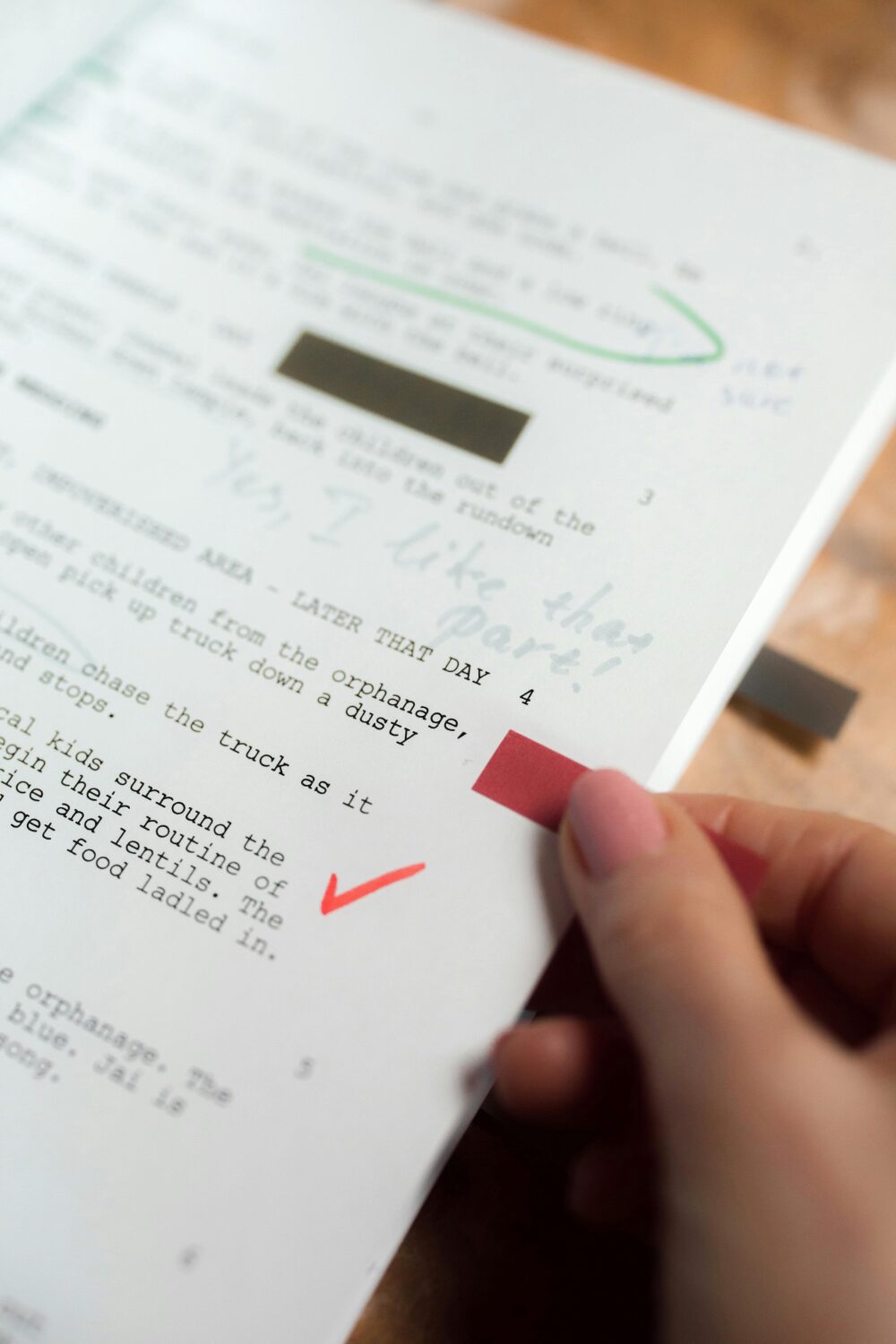
Demographically, the ethnic makeup of editors in the US is not dissimilar to the ethnic makeup of published authors (with 76 percent of editors identifying as White and 8 percent identifying as Hispanic or Latino). However, the wide percentage gap is not the primary reason for why there should be more diverse editors, but a multitude of other reasons as well. “Editor” is a position that covers many different aspects of the field—such as copyediting, developmental editing, line editing, and so on—but they all would benefit from the same things. One of those things being that editors at their core are there to make sure to catch any mistakes or inconsistencies that an author has made in their writing, whether that be in a fictional story or not. Mistakes in this case would range from linguistic or cultural inaccuracies, to potentially offensive material. And while many publishing companies have begun to employ the use of sensitivity readers to catch such oversight, the criteria to become one varies wildly across the board—there’s no universal standard to become a sensitivity reader.
I am not arguing for editors to all become experts in a variety of subjects and cultures, but rather, I want to emphasize the importance of the industry’s ability as a whole to be able to properly match an author with an appropriate editor. That’s not to say that a White editor cannot effectively edit a Hispanic author’s writing, for example, but rather that the option for an author to have an editor understand their writing from a similar lens or background is important. Editors are second to the author in how closely they read a manuscript before it gets published. “In a cultural industry like publishing, . . . subjective interpretations of what constitutes good or marketable literature are a major determinant of what gets published.” It’s about making things truly more equitable and genuinely putting in the effort to not only hire capable employees from marginalized communities, but to actively encourage them to apply and join the publishing world.
Ultimately, having a more diverse workforce in turn supports a more diverse authorship and readership. It enables for more stories to be developed with care and nuance, and lead to a more comfortable environment for an author to speak their truth without the feeling the need to cater (whether that be subconsciously or consciously) to the majority.
Sources:
https://wordsrated.com/author-statistics/