Publisher to Library Pipeline: How Libraries Get Their Books
So, how do libraries get new books, old books, ebooks, and so on? Do they go and buy them? Wait, who is “they”? Don’t worry, I’ve got you covered.

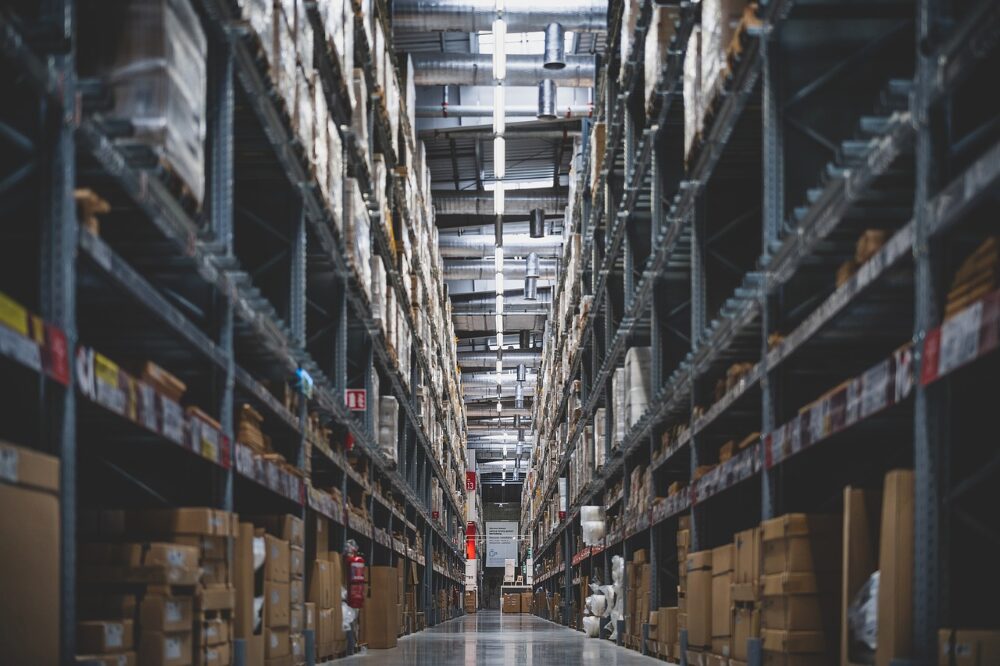
So, how do libraries get new books, old books, ebooks, and so on? Do they go and buy them? Wait, who is “they”? Don’t worry, I’ve got you covered.

Satisfaction clauses can be a way for a publisher to ensure that they will get a return on their investment. However, these kinds of clauses often hold a level of subjectivity that make them controversial in the publishing industry, and not everyone chooses to use them.

Subsidiary rights are a vital aspect of modern publishing, offering significant benefits in terms of revenue, reach, and brand development. For authors and publishers, effectively managing these rights can lead to greater success and sustainability in the competitive world of books. Understanding and leveraging subsidiary rights can transform a single publication into a multifaceted product with global appeal.

When I started managing the rights department at Ooligan Press about a year ago, I took on one of our first major projects: acquiring the rights to nine different French science fiction short stories for an anthology. It was an ambitious enterprise, but the previous managers did all of the legwork for setting it up. They found a French professor at our university who already had the idea for the anthology and agreed to translate (with the help of a few others); all that was left to do was find the owners of the rights to each story and acquire them for the anthology.