A Craft Crash Course
Plenty of writers know they have a great, compelling idea for a story, and they just don’t know how to bring it to life. That’s where craft comes in.
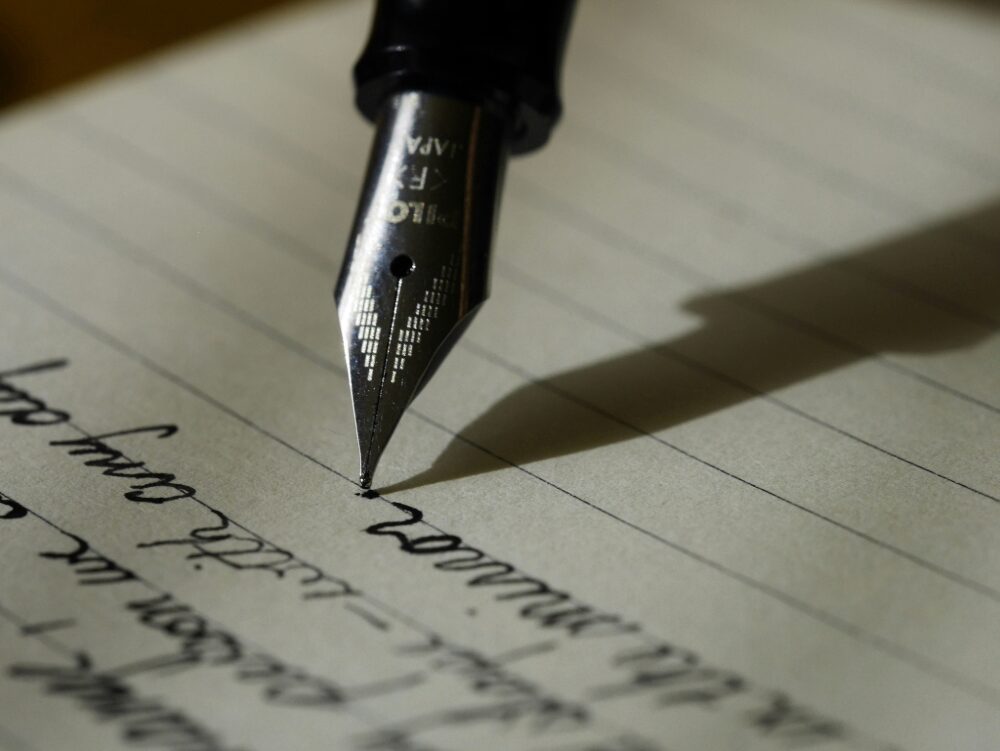
Plenty of writers know they have a great, compelling idea for a story, and they just don’t know how to bring it to life. That’s where craft comes in.
In publishing, the timing of a book’s release can literally make or break its success. That’s where the editorial calendar comes in—it’s the master plan publishers use to map out every stage of a book’s life before it ever hits the shelves.
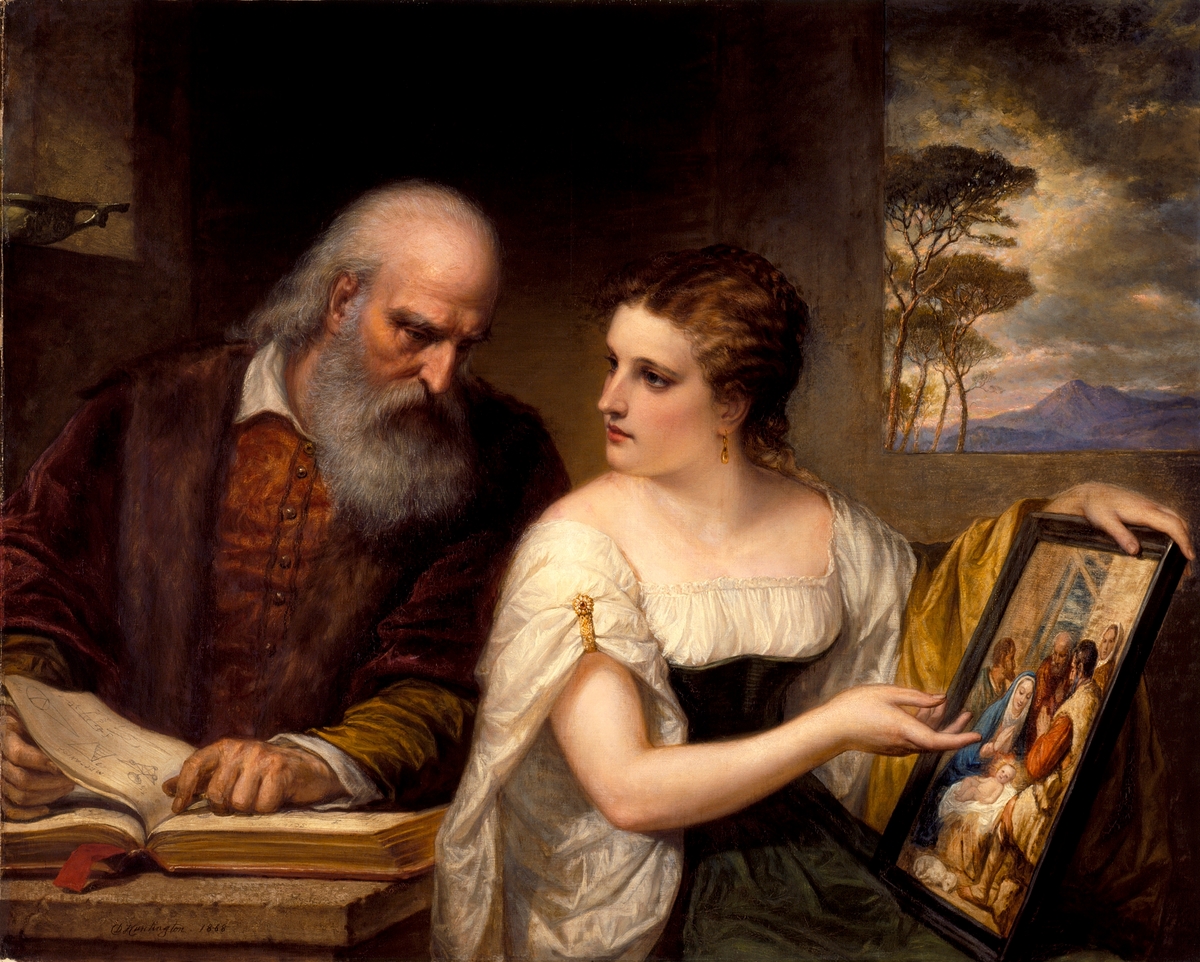
Design feedback can be tricky for the inexperienced. Even if you’ve been giving design feedback for years, it can be hard to express the feelings you have about a piece without discouraging your colleagues—or to put into words intuitive or feeling-based critique.

Have you ever Googled “How to be a self-published author”? If you have, you’ve probably seen several blogs and websites that advertise a step-by-step process to be self-published. One of the most important steps, in both self-publishing and traditional publishing, is editing. Author’s going the self-publishing route typically find a freelance editor to perform these necessary editorial tasks.

It’s not always clear how manuscripts move between departments in the publishing industry. Who decides when they’re ready to go and what information gets exchanged? This process may vary from press to press depending on the size of the departments, but here at Ooligan, there’s a standardized process to transfer the manuscript from acquisitions to copyeditor and the project manager who will take the manuscript throughout the rest of the publishing process.

When you’re editing a manuscript, there are an abundance of reasons why you might want to pose a query. For example, if you’re copyediting, you may want to point out a spelling you’ve found that’s inconsistent, ask for clarification about ambiguous wording, or find out more about an author’s intended meaning, just to name a few. Although the best method of query writing may vary by author based on what they respond well to, there are a few best practices when it comes to writing effective author queries.

Artificial intelligence (AI) has been present in our lives for the past few years now. You can find it on social media, writing tools, and even in search engines. Its ever-looming presence begs the question: are we going to lose our jobs to AI?

Luckily for freelance editors, there are a handful of editorial societies that are available to join to build a sense of community even when working remotely. Providing encouragement and learning resources, each of the organizations listed below are sure to provide some benefit to your range of skills whether you prefer something free to low cost or have the funds to invest in a high-end membership.
What is it like to read and evaluate manuscripts from real authors? What is the best way to give authors feedback on their work in order to bring it one step closer to publication? How do you know if a story is the right one for our press to publish? These are just a few of the many questions I had when I became an acquisitions assistant for Ooligan Press.

In a world with a broad range of writing, is it possible to specialize in a subject matter you love?