Promoting PNW Voices: Our Publishing Mission
“We seek to publish regionally significant works of literary, historical, and social value to the Pacific Northwest. . . . we encourage works originating from, or focusing on, the experiences […]


“We seek to publish regionally significant works of literary, historical, and social value to the Pacific Northwest. . . . we encourage works originating from, or focusing on, the experiences […]
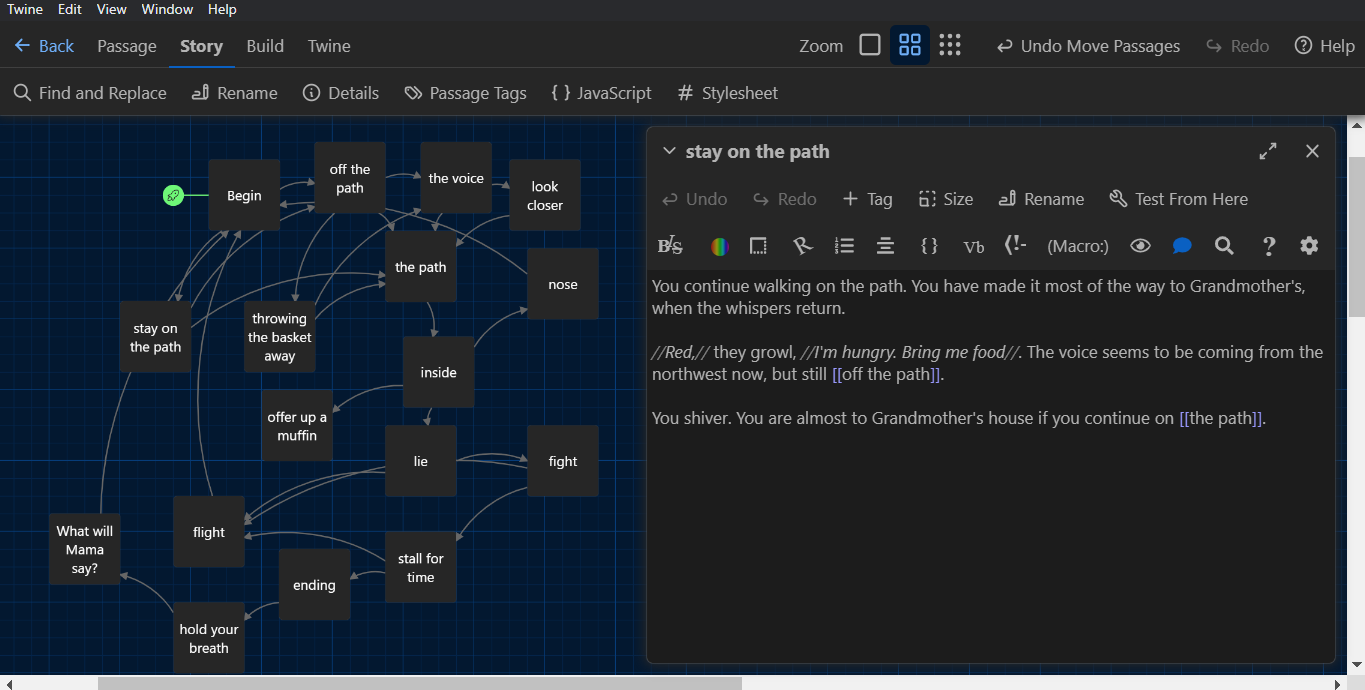
Interactive fiction is a nebulous term. After all, isn’t all fiction interactive? “Interactive fiction” specifically refers to text-based games where you get to choose what path the narrative takes.
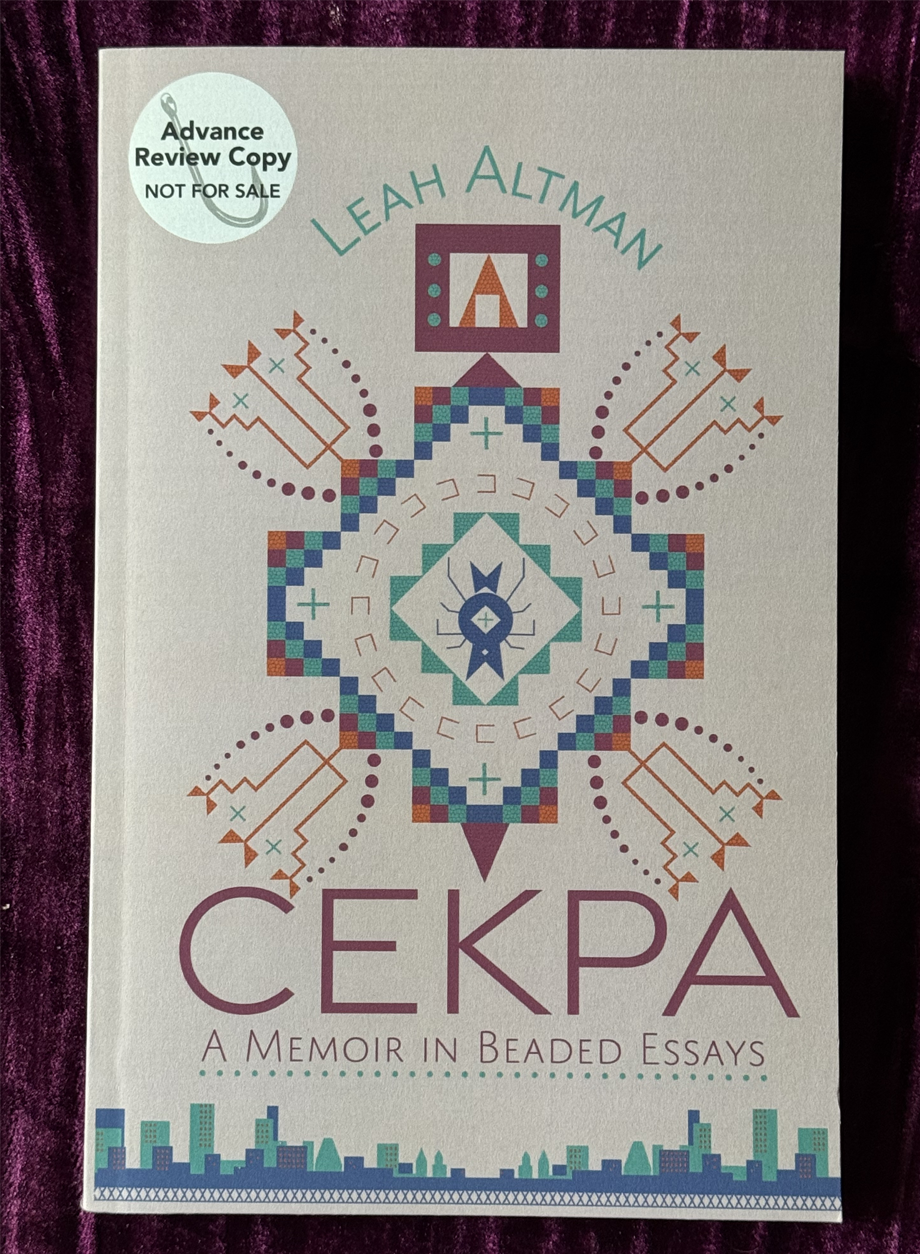
At Ooligan Press, we have two main stages in the publishing process that involve creating interior layouts for print books (not EPUBs): the galley and the final book interior. For our title Cekpa (launched in November of 2025), I had the opportunity to design both versions of the interior, and they were different processes. I wanted to take a moment to demystify what goes into each.

Now that the initial work of developmental edits, cover design, and putting together the book’s marketing plan has been completed, the book is moving on to the next steps in the process: contact lists, blurb requests, and review requests. While this may sound tedious, these tasks make up much of the backbone of a book’s publicity.
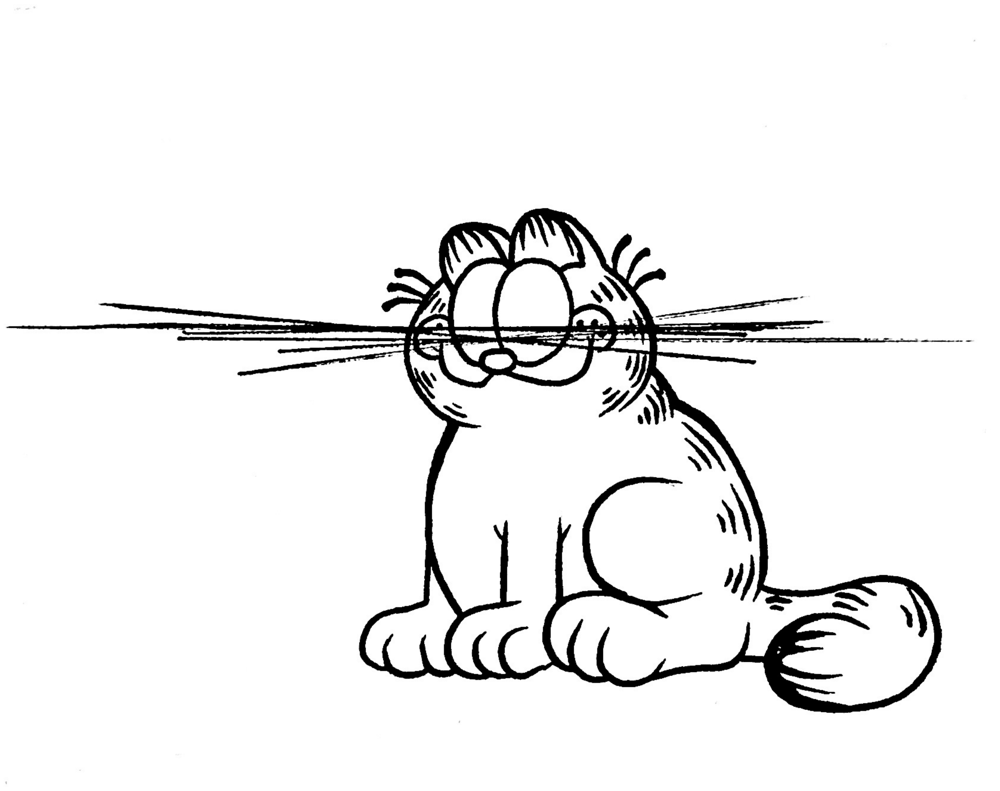
Especially in a visual culture and literacy crisis, images are more immediately and widely accessible than prose. That makes them not only dangerous to those who want to control information, but also vulnerable to moral panics and cherry picking. Since comics are the art of juxtaposing images, it’s not particularly difficult to manufacture a case of obscenity by removing a panel from the context that gives it meaning and showing it at a board meeting or other assembly.
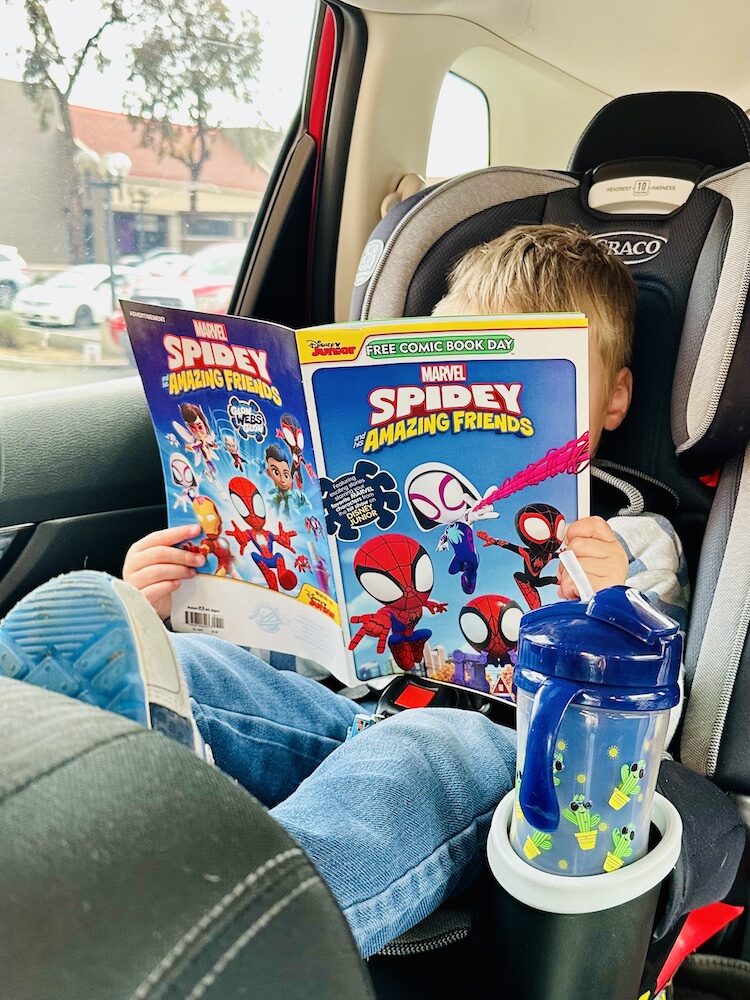
I performed extensive research on accessible text formatting and layout design for children’s publishing. I paired this information with multiple case studies to exemplify accessible title text formatting and layout simplicity for intentional accessible children’s book design.
In an oversaturated market, finding a way to identify a target audience and attract their attention is an incredibly invaluable asset to staying in the business. However, a big challenge to BISAC codes’ accuracy is the lack of diverse life experience among the small body of people who make the BISAC classifications.

A super easy guide to beginner-friendly, basic HTML codes and how to use them! Basic HTML Codes: <i> = italics <b> = bold <br> = line break <br><br> = paragraph […]

Of the hundreds of thousands of books published in the US in 2024, only forty-eight of them were works in translation. Regardless of genre, only 3 percent of books published […]
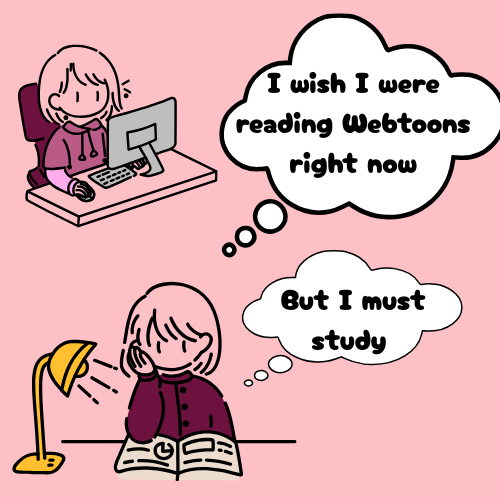
Webtoons have become a global phenomenon that has transformed the landscape of digital storytelling. This form of media started in South Korea and gained global popularity, but what exactly makes […]