Key Literary Figures in the City of Roses
Portland wouldn’t be the City of Roses without the early influences of certain literary figures in Oregon’s history.

Portland wouldn’t be the City of Roses without the early influences of certain literary figures in Oregon’s history.

While it is true that editing is a crucial aspect of publishing, it isn’t the only aspect. The publishing industry has a place for every bibliophile out there—even fanfiction writers.
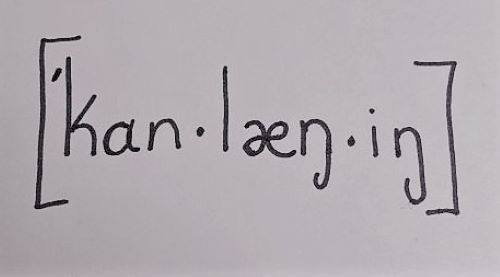
There are numerous examples of why a fully fleshed-out language, often known as a “conlang,” is good for the fans, the author, and the publisher, and why authors should work with a conlanger.
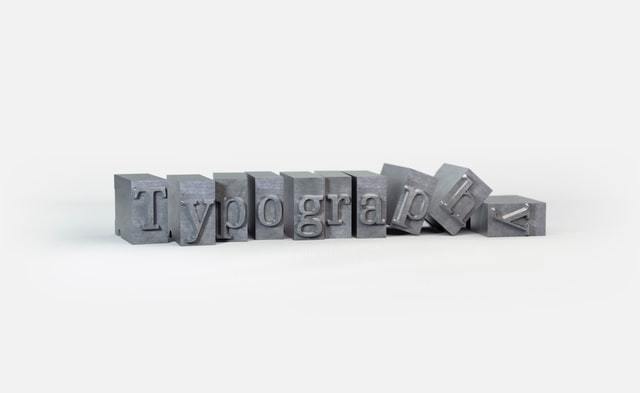
Good typography can make anything look good, but it can be hard to successfully pair your fonts. Creating contrast is the key to good font pairing. You can achieve contrast in many ways, and it is a lot simpler than you think. Here are a few tips on how you can successfully pair fonts without needing a degree in graphic design.

For authors and artists who don’t have access to publishing technology or spaces to create, print, and publish their work, there are distinct barriers to doing what they love. However, there is an incredible nonprofit organization right here in Portland that seeks to break down these barriers and make publishing affordable and accessible to all.
According to Michael Shymanski, one of Ooligan’s Acquisitions Managers, think of your first page as the reader’s initial impression, much like “meeting your friend’s spouse for the first time.” First impressions can be insignificant, even disastrous, or they can be absolute magic. If the magic is there, an editor will know it immediately.
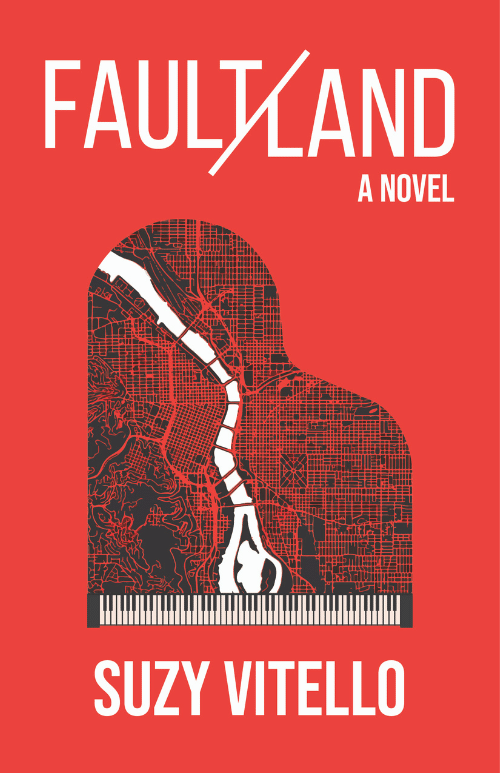
On March 30, 2021, Ooligan Press launched Suzy Vitello’s debut adult novel, Faultland, with a virtual launch party that not only celebrated the book itself, but also it’s journey from an idea in Suzy’s mind to a beautiful novel that is already gaining wide acclaim. During the launch, Suzy answered questions, did a short reading from the novel, and engaged in an insightful conversation with fellow author and moderator for the evening, Monica Drake.

During discussions about branding strategies with my college peers, it is common to hear about the importance of searching for the value a reader is looking to find when they are browsing through books, and then focusing on producing manuscripts that target these values. This initiative probably works well when producing and marketing most products, but how effective could this strategy be in the book market?

Numerous scholars have dedicated their careers to understanding why it is that people need to see themselves represented in stories, so a format like this one could never adequately address (or even summarize) the complexities of the problem at hand. But these complexities shouldn’t deter us from the conversation, so I want to offer an explanation for one aspect of this problem in the hope that it will help equip anyone in a position to address issues of equity with a cogent reason why we should be actively providing more representation in publishing. This reason is symbolic annihilation.

If you’re looking for a fun way to get your manuscript out in the world, check out #PitMad, a Twitter event put on by the organizers of Pitch Wars.