When Fandoms and Authors Don’t See Eye to Eye
When J.K. Rowling disgraced her transgender fans, the fan community rose up and pushed her out, taking control of the fandom for themselves.

When J.K. Rowling disgraced her transgender fans, the fan community rose up and pushed her out, taking control of the fandom for themselves.

Though the ethics of ghostwriting may be debated, the fact remains that it is a common practice and one that doesn’t seem to be going away anytime soon due to the fact that each key stakeholder within the process of ghostwriting seems to benefit.

It’s normal for films and TV to display warnings and ratings, and even in the publishing industry we sort material into age-appropriate categories based on content and language. Now the discussion is underway about advancing this one step further to include specific content warnings—also called trigger warnings—as we contemplate accessibility and how we can incorporate mental health practices into our work. But what is a content warning exactly, and how does it apply to book publishing? When is it appropriate, and when is it redundant? Is it only the finished, printed book that needs to be properly tagged, or is it important for authors querying out to agents and publishers as well?

Although most agree that Adobe’s Creative Cloud is the pinnacle of professional design software, first-time designers with little software experience are likely to be overwhelmed by its plethora of features—and its cost. While most designers will eventually want to splurge on Adobe’s CC license to professionally share and sell their work, in the meantime there is a free online software called Canva that is the first-time designer’s best friend.
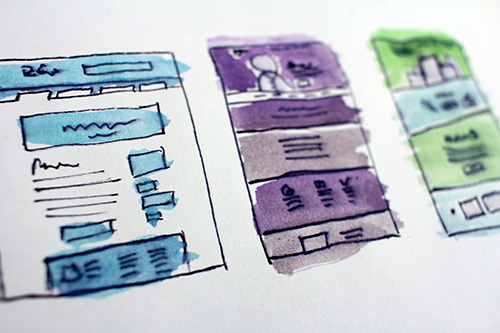
As a web designer you have approximately ten seconds to get someone to interact with your site. In that small window of time there are a series of decisions being made that affect whether the user is impressed by what they find or if they move on to another site. By understanding how persuasion is built into a page, a designer can make certain that a user will stay on the page, and more importantly, keep them coming back.
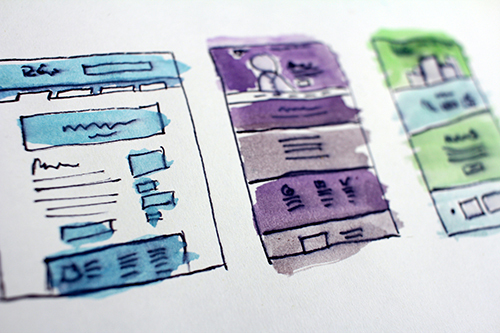
As a web designer you have approximately ten seconds to get someone to interact with your site. In that small window of time there are a series of decisions being made that affect whether the user is impressed by what they find or if they move on to another site. By understanding how persuasion is built into a page, a designer can make certain that a user will stay on the page, and more importantly, keep them coming back.
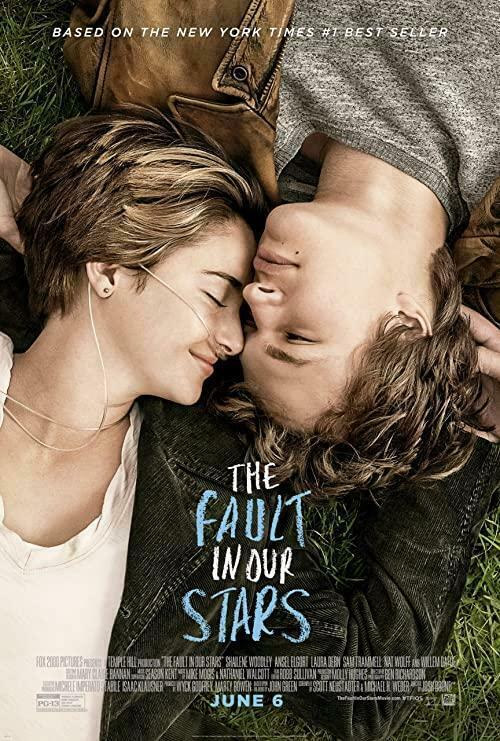
I think that honest representation makes marketing a book easy because the novel speaks for itself. Authors need to write their own stories, and I hope in the future they are represented and supported by publishers so that these stories—the ones with honesty and vulnerability—can reach the young adults who need it.
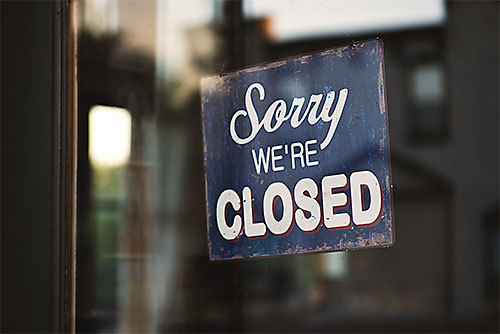
Bookstores are just one of the many businesses that have been profoundly impacted by the shutdowns happening throughout the country. Shelf Awareness and Publisher’s Weekly have both made it a point to offer regular reports and updates on the current status of bookstores and the publishing industry; while some of this news is good, some of it is surprising, and some of it is down-right depressing.

Editing involves exposing harsh truths, making tough decisions, and facilitating collaboration. So how can an editor—especially a new one—make sure that their decisions, suggestions, and occasional wing-clippings are fair? The answer lies in the ability to separate what we want a story to be (which is subjective and infinite) from what the story and author needs.

No matter what kind of freelance work you get into, you have to be firm and confident in yourself. You are your own hype-person, and no one will be a better advocate for you than yourself.