Walking the Line: The Forgotten Editorial Phase
When I was a creative writing major, the bulk of my classes were writing workshops. In that environment, I heard about line editing (LE) far more often than developmental editing […]
When I was a creative writing major, the bulk of my classes were writing workshops. In that environment, I heard about line editing (LE) far more often than developmental editing […]
On its face, copyediting is a relatively simple prospect. Find grammatical and spelling errors, highlight them and then send them to the author. But is there more to it than that? To be honest, not really, but that doesn’t mean it’s easy! During my forays into copyediting both as a freelancer and as an Oolie, I’ve picked up a number of tips and tricks that I’m now obligated to share with you.

There are multiple types of editing; copyediting is just one of them. Copyediting is what most people consider or think of when they think of “editing.” So what exactly is copyediting? How does it differ from other types of editing? What are some common misconceptions about copyediting?
It all comes down to readability and ensuring the author’s message is being told in the best possible way for the readers while remaining true to the author’s voice.

When you’re editing a manuscript, there are an abundance of reasons why you might want to pose a query. For example, if you’re copyediting, you may want to point out a spelling you’ve found that’s inconsistent, ask for clarification about ambiguous wording, or find out more about an author’s intended meaning, just to name a few. Although the best method of query writing may vary by author based on what they respond well to, there are a few best practices when it comes to writing effective author queries.
Ooligan Press is a student-run trade press that operates in conjunction with the book publishing master’s program at Portland State University. Those of us inclined to bite off a bit more work operate as project managers (those who manage the publication of a book project) and department managers (those who run the various departments within the press). As copy chief it is my responsibility to oversee and edit all the copy that goes through the press.

In a world with a broad range of writing, is it possible to specialize in a subject matter you love?
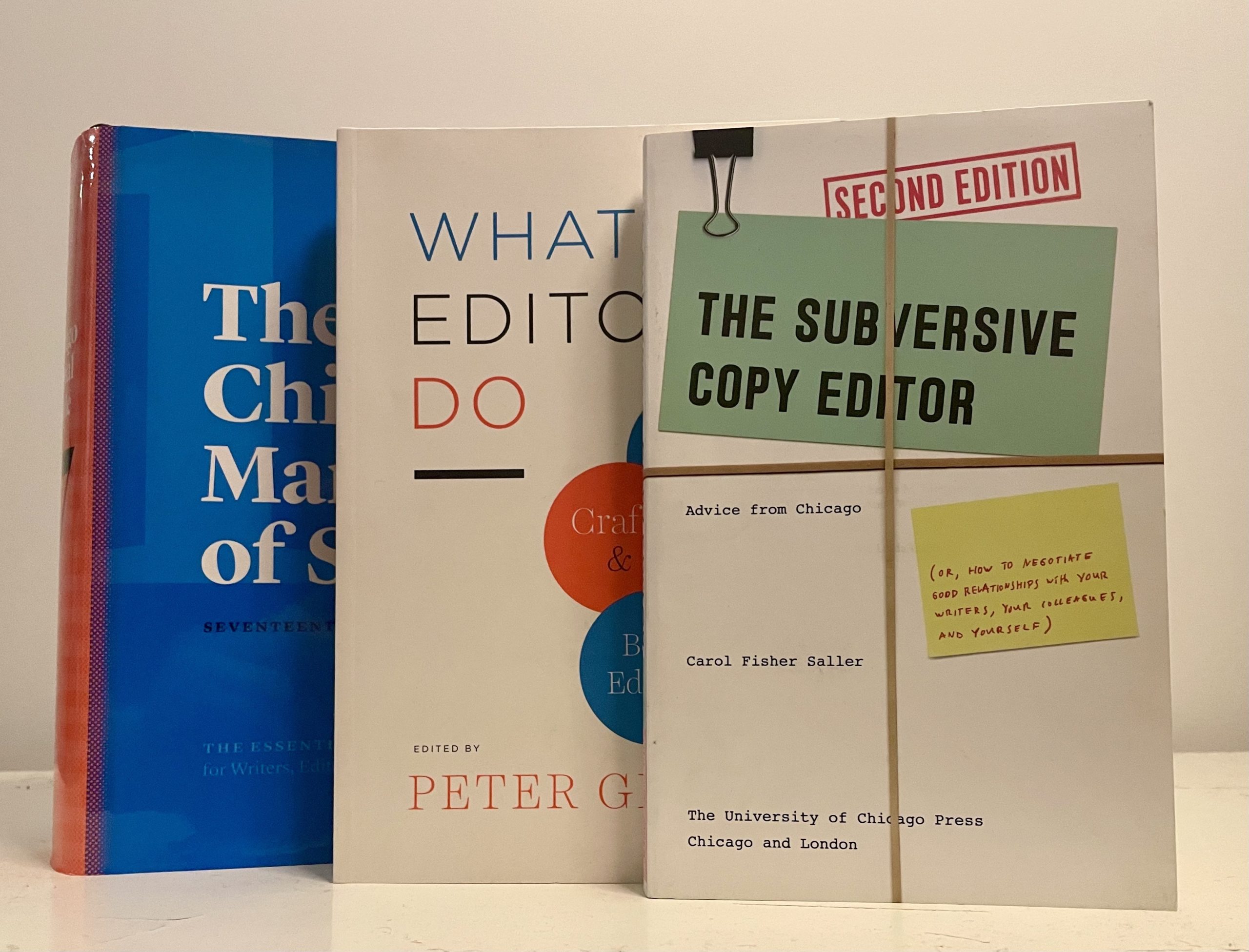
There are so many books on editing out there for editing at every stage of the book process. Hopefully this list can kickstart your journey and guide you to more resources as you read.
There are many levels of editing that help shape a manuscript into what readers ultimately pull off the shelves of their favorite bookstore or library, but how does each level of editing work to transform a manuscript from the first draft to the final, polished result?
So, you wrote a killer query letter and submitted a proper proposal. You won over Acquisitions and we pitched your project to the press successfully, then we offered to publish your book: now what? For the sake of transparency and in an effort to demystify this crazy little thing called publishing, I humbly offer you an inside look at what you can expect when working with Ooligan Press.