
What Cover Design Says About Genre in Manga
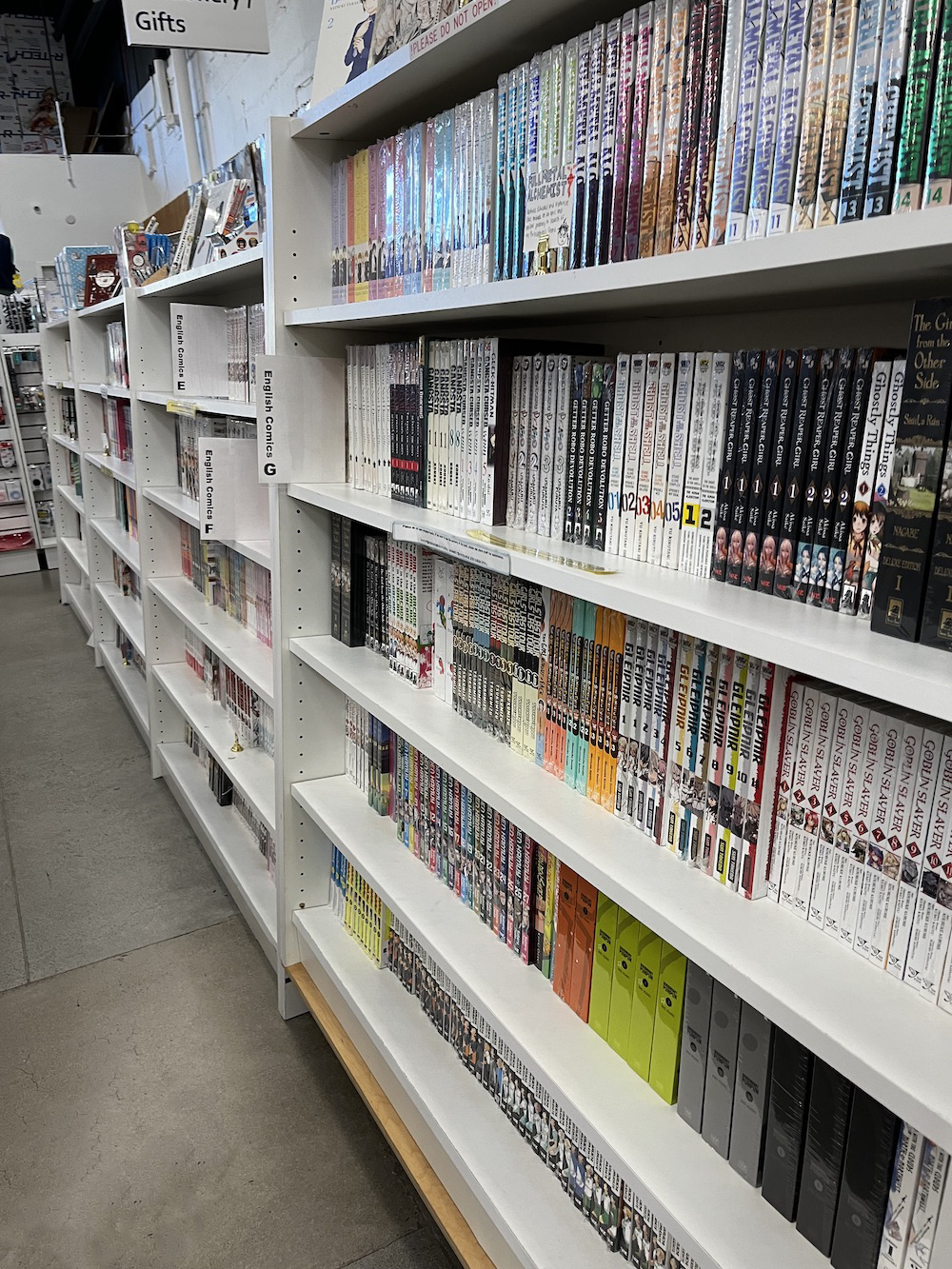
In many US bookstores manga is not sorted by subgenre. Given this context, it’s extremely important for information about a volume’s genre and intended audience to be conveyed through the cover.
At Ooligan, everyone is a designer, editor, proofreader, marketer, and publicity specialist. So our efforts, while always noble, are not always cohesive and streamlined.
A galley is an unfinalized advanced reader copy of a book that, unlike the final product, typically uses the manuscript prior to the final proofread. Before the galley is produced, the manuscript goes through developmental edits and copyedits to the point of practically perfect. Occasionally, the galley is made using the final draft but never by using any draft before the second to last. Galleys can be in hard copy or electronic form, which may make you wonder: Why even make a galley?
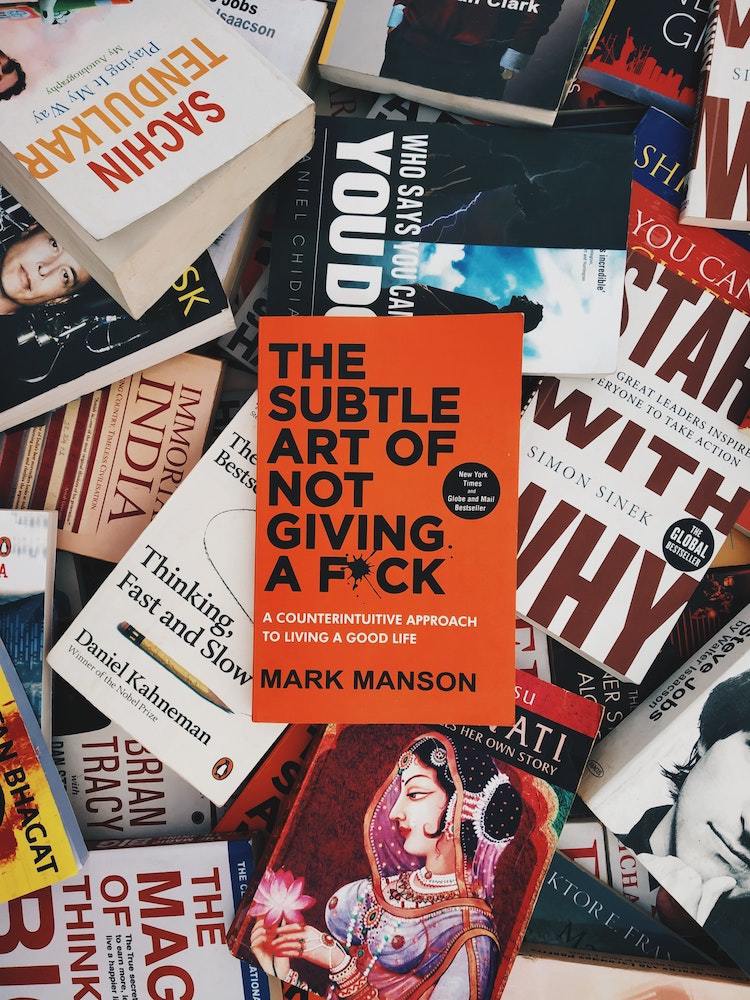
When designing a book cover, your goal is to attract the attention of your target market without misleading them, and that begins with selecting an appropriate font.
The good news is that like many other professional-level tools like InDesign, we only use a small number of its features on a day-to-day basis. The bad news is that over the lifetime of a book, that exact “small number” changes, and by the time the manuscript is all placed, the layout designer will have checked or changed nearly everything the computer needs to know about how to format the book. The best way to become fluent with a tool like InDesign is to practice, practice, practice.
You’ve written a book, and it’s been published—now what? First of all, congratulations! It’s not easy to get to this point. If your book has done well in the domestic market, you might consider trying your chances abroad. Like any new venture, research is key. A quick perusal of international editions of books reveals that they all have different covers—even American books published in England (or vice versa) get different covers.
It is important that designers capture the light-hearted, feel-good nature of a contemporary romance story through its cover design in order to gain the attention of readers.
What is the difference between personal branding and professional branding? Why does it matter and when is it better to use one over the other? Let’s start by defining what each one is.
I can see the appeal of using Word to design your book since it is a program that is familiar to most of us, especially if you’re a writer. It’s a lot cheaper than InDesign, which is a more professional tool that is also very technical and has a steeper learning curve. However, there are many reasons why Microsoft Word isn’t the best tool for this kind of work. So, before you commit to doing all that work in this program, here are a few things you should take into consideration.
Picture books have evolved over time to serve different agendas, from educational, such as teaching the alphabet, to more “edgy” topics in recent years, such as tackling what it’s like to be a child of divorce. With every change, however, one thing remains consistent: the design of a children’s book must keep a child interested and entice them to turn the page.